

It is a mandatory requirement from the Dog and Cat Management board for every dog or cat born after 1 July 2018 to be desexed by 6 months of age or within 28 days of new ownership (whichever is the later) unless exempt by a vet.
It is compulsory for all dogs and cats in South Australia to be microchipped by 12 weeks of age, unless exempt by a vet. Microchipped animals carry with them a permanent identification and can be reunited with their owners much sooner.
Please note that it is the pet owner's responsibility to ensure their details are kept up to date on DACO. Please be aware that microchipped dogs are still required to wear a current registration disc.

Your local vet is a great place to visit to get your furry friend chipped.
Alternatively visit www.chipblitz.com to find see if there is a session near you. All bookings for these sessions must be made on the Chipblitz website.
We don't like seeing pets leave their forever home but in the unfortunate circumstance that you must say goodbye to your pet here are a few options to look into.
Make your first call to the breeder, rescue, or person you originally got your pet from. Responsible breeders may assist you in finding a new home, or take the pet back to rehome themselves. Many rescues also state in their contracts that the pet can be returned to them, no matter how much time has passed.
Shelters and rescue groups often have waiting lists of people needing help to rehome their pet, so don’t expect immediate action. If you are able, offer to keep the pet at your home while the rescue group helps you find a new home. Be sure to find out the following information before surrendering your pet:
Ask what happens to your pet if they are not rehomed.
Ask if your pet will be housed in a kennel or in foster care. If your pet suffers with anxiety, it would probably be best suited to a foster care environment.
If your pet has behavioural problems, ask what measures the rescue group/shelter will take to address the problems and find a suitable home.
Ask about the care of the pet - how often will he be fed and walked.
Some of the best homes are with people who already know and like your pet. Friends and family may be willing to offer your pet a new forever or temporary home, so ask around your immediate circle and share your pet’s profile via social media.
Residents are encouraged in the first instance to try to solve the problem with the owner of the dog. Generally, the owner of the dog may not know it barks when they are not there. A politely worded letter or a calm discussion can resolve many issues.
If you cannot resolve the problem with your neighbour or your neighbour is not approachable, contact Council on 8555 7000. Council will then investigate further; it is likely in this instance that you will be required to complete a barking dog journal.
Loud noises can be scary for pets. Dogs and cats often will not know where the loud noise is coming from and will try to escape, this can be a problem and can result in an injured or lost dog. Animals ears are also quite sensitive so a regular noise like a clap of thunder could be very loud in a dogs ear. Try some of these suggestions to help keep your dog settled
- de-sensitize your pet beforehand by playing recorded noises from fireworks and thunderstorms (this must be done in a controlled environment)
- keep your pet inside during fireworks and thunderstorms
- try to be at home with your dog or cat and comfort it if it is distressed
- if you know your pet is likely to be distressed, ask your vet to prescribe a mild sedative
- mask the noise by turning up the volume on the radio or TV
- above all, stay calm during thunderstorms as your pet (especially dogs) will be aware of you and how you react.
A prescribed dog means special conditions apply and extra responsibilities are carried with owning a prescribed dog, if a breach to these conditions is made than high penalties apply.
All prescribed dogs are required to be:
- Desexed
- Muzzled
- Confined to the premise of the person responsible for the dog
- Be kept on a lead no longer than 2 metres when in a place other than the responsible owners premise
- Not be sold or given away
- Not be advertised
Information on prescribed dogs.
The following dogs are classified as described breeds:
| American Pit Bull Terrier | 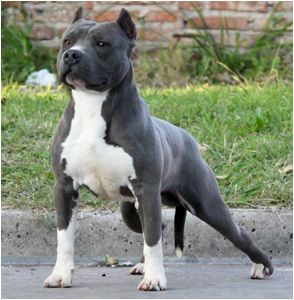 |
| Fila Baziliero | 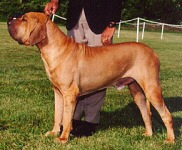 |
| Japanese Tosa | 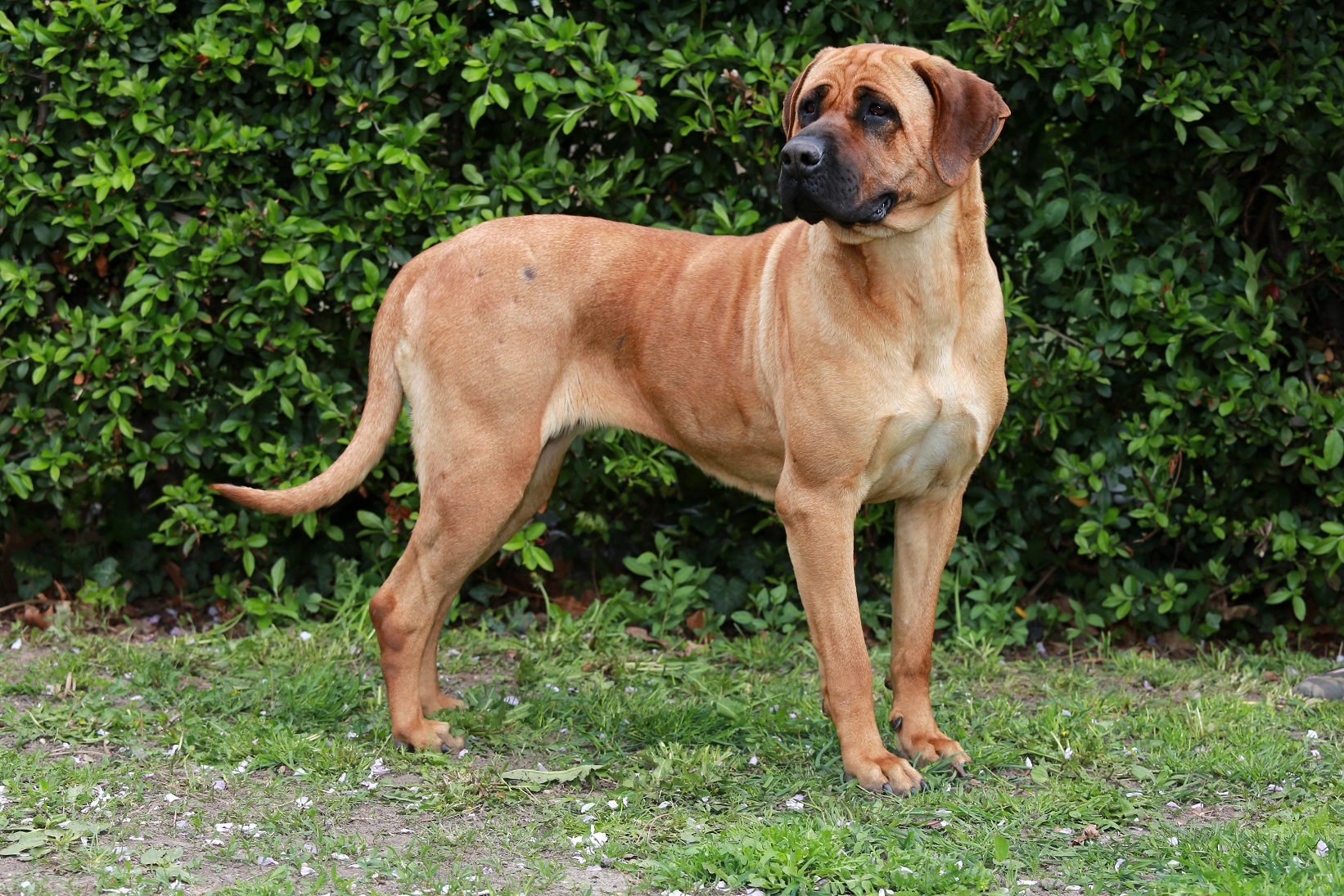 |
| Dogo Argentino | 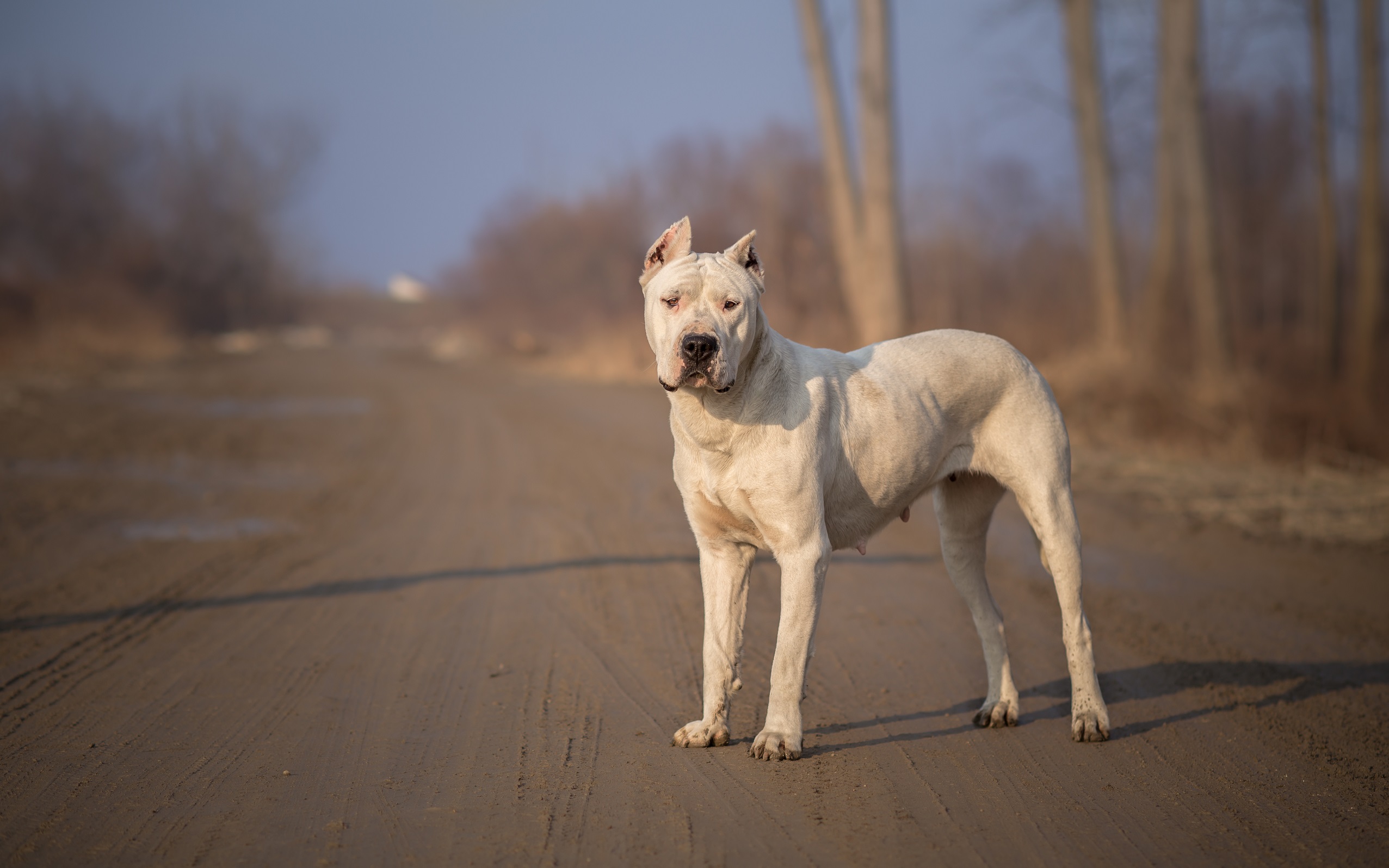 |
| Presa Canario | 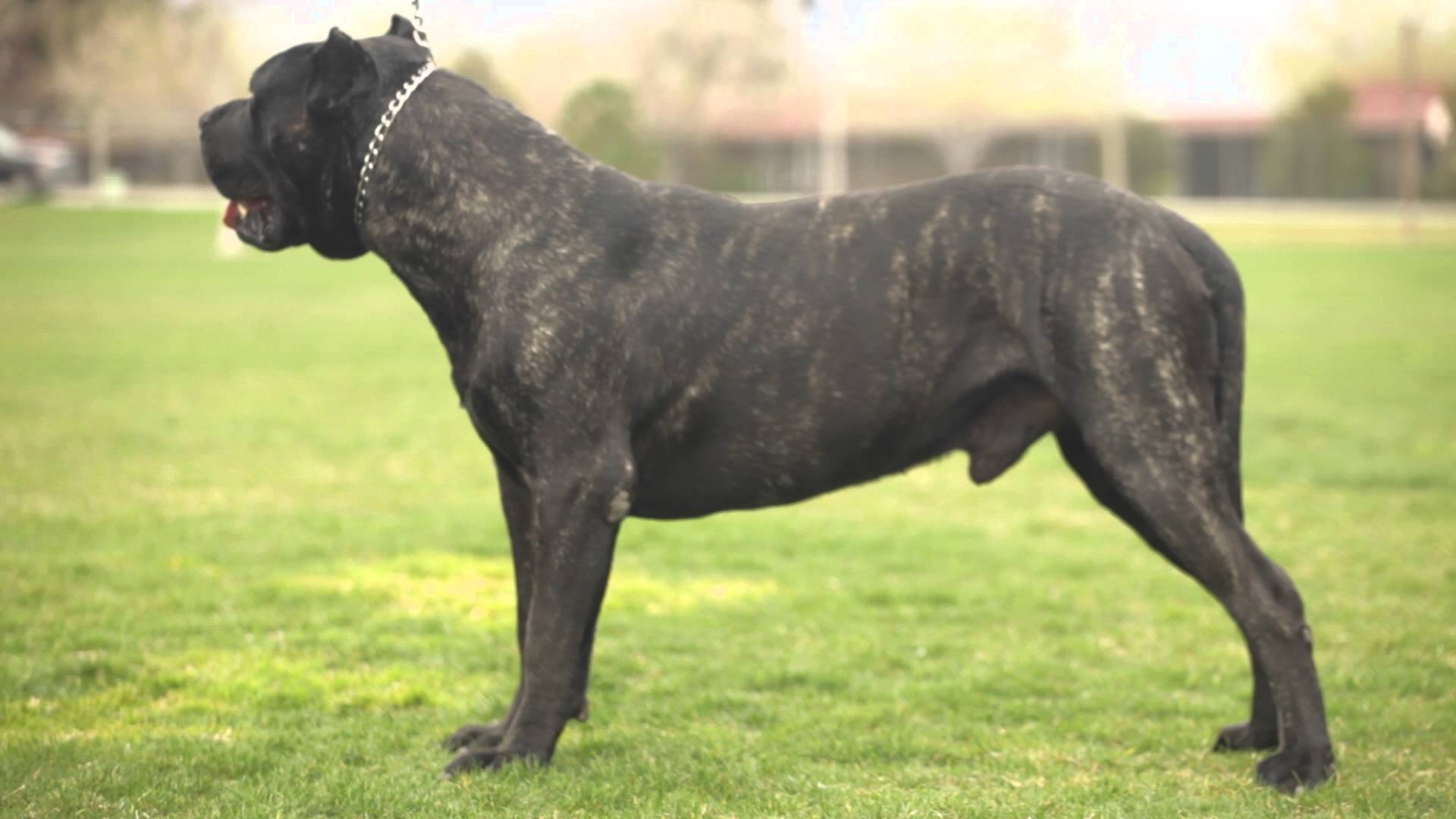 |
A dog wearing a red and yellow reflective collar has a menacing or dangerous order against it. When in a public place these dogs must be wearing a muzzle and be on a lead no longer than 2 metres.

If you see a dog wandering the streets with a collar like this on and no responsible person nearby contact Council immediately on 8555 7000.
As a responsible dog owner, you are required to collect and dispose of the poo in a sanitary manner (such as the next convenient public waste bin). As a responsible dog owner, you are required to carry a dog waste bag with you when walking your dog.
A fine of $312.50 can be issued if caught not carrying a dog waste bag. Council have provided a number of dog waste bag dispensers to help dog owners comply with this requirement.
Yes, you must have your dog on a leash of no more than two metres in all public places and in private places were you do not have the consent of the occupier to have your dog off-leash. Dogs must be on leash when walking in along all public roads and footpaths unless otherwise signposted.
For more on and off leash information visit Dogs On and Off Leash
Under Part 2, Section 7 of By-Law No. 5 of 2023 a permit is required to keep more than two dogs on a premise within the Council area.
Permit applications are required to be lodged with Council as soon as more than two dogs are kept at the premise on a permanent basis and is specific to the dogs identified within the permit.
Fees
Alexandrina Council charges a fee for the assessment of the permit application. Fees payable will be in accordance with Council’s Schedule of Fees and Charges (as applicable).
How to apply
To apply, please complete the Application Form for a Permit to Keep more than the prescribed number of Dogs.